Introduction
Retail experts believe that the Amazon tariff Controversy could set a precedent for how e-commerce platforms communicate government-imposed costs to their users. The White House recently expressed strong disapproval of Amazon’s plan to show price increases due to tariffs at checkout. The administration called this possible move a “hostile and political act.” This shows the rising tensions between big corporations and government policies. The ongoing debate around the Amazon tariff highlights the growing complexity of global trade and how it directly impacts consumer pricing.
Background on Tariff Policies
President Donald Trump’s administration has set high tariffs, especially on Chinese imports. Some rates go as high as 125% for specific goods. These measures aim to protect domestic industries and reduce reliance on foreign manufacturing. They have also led to higher prices on many consumer goods, affecting both retailers and shoppers. Tariffs have disturbed global supply chains. This has led companies to rethink their sourcing and pricing strategies.
Amazon’s Consideration of Tariff Cost Disclosure
As discussions about the Amazon tariff continue, third-party sellers are voicing concerns about how such measures may influence buyer behavior and trust. Reports say Amazon is thinking about showing customers how new tariffs have raised product prices. They might itemise the tariff costs at checkout. This approach aimed to show consumers why prices are going up. However, the move was met with mixed reactions. Some consumers appreciated the transparency. Others viewed it as a political statement against the administration’s trade policies. Third-party sellers on Amazon shared worries about how this could affect their sales and how customers see them.
White House’s Response
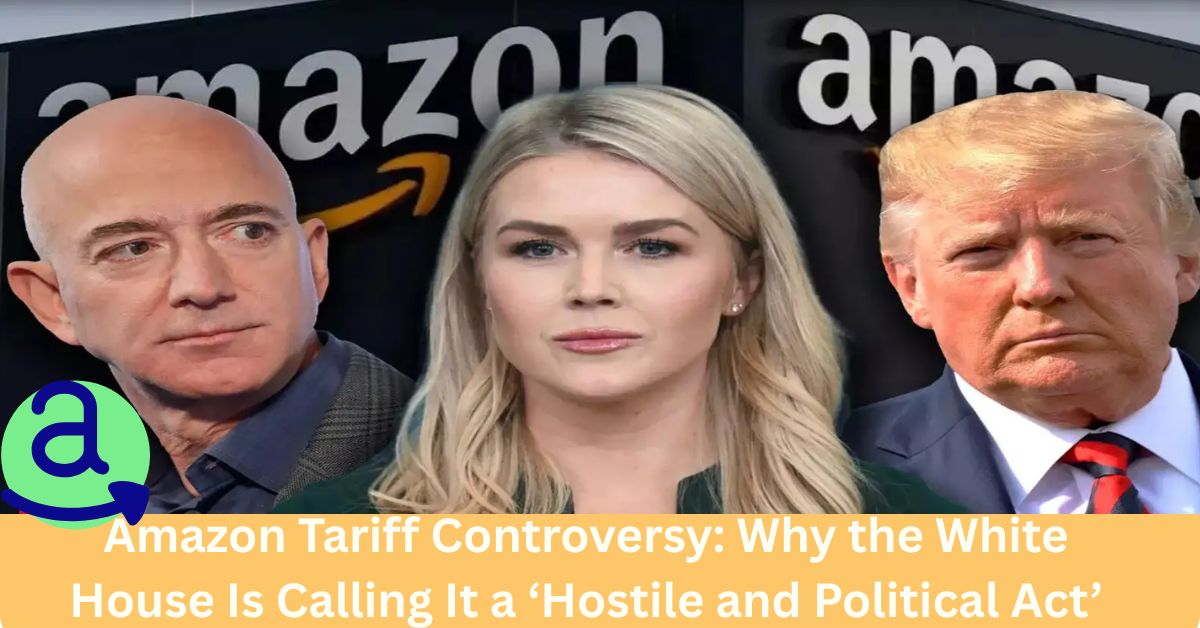
White House Press Secretary Karoline Leavitt slammed Amazon’s reported plan. She called it a “hostile and political act.” She wondered why Amazon didn’t take similar action when inflation rose during President Biden’s time. Leavitt accused Amazon of politicizing pricing information and aligning with anti-American sentiment. She stressed the administration’s support for domestic manufacturing. She urged Americans to “buy American,” even though Amazon is a major U.S.-based company.
Amazon’s Clarification
Amazon responded to the backlash. It clarified that it had considered listing import charges for its discount platform, Amazon Haul. However, this idea was not put into action and wasn’t meant for use on its main site. Amazon emphasized its commitment to keeping prices low for customers and working with sellers to manage increased costs due to tariffs.
Economic Implications
When a big retailer like Amazon shows tariff costs at checkout, it can greatly affect how consumers see things and act. Customers who notice tariff charges may start to question price increases more closely. They might even blame government policies for the rising costs. This transparency, while well-meaning, can change public opinion, especially in election years.
For the broader e-commerce market, such a move could set a precedent. Competitors may feel they need to follow Amazon’s lead to stay credible and transparent. Or, they might use Amazon’s reluctance or backlash to show they are apolitical. Sellers on Amazon’s marketplace are also caught in the crossfire. Many people rely on importing goods, especially from China. Higher tariffs lead to smaller profit margins unless businesses pass these costs onto consumers. Stating those costs clearly might push customers away from certain products. This could make sellers rethink their sourcing strategies or look for new suppliers.
Small businesses especially are vulnerable. Smaller sellers may struggle with tariff shocks. Larger corporations can absorb these costs or spread them across many products. The economic ripple effect is significant. It impacts logistics, shipping, pricing, and profitability. This issue goes beyond branding or PR for Amazon. It’s a structural economic decision with consequences across the e-commerce landscape.
Political Ramifications
Amazon’s reported tariff transparency initiative doesn’t exist in a vacuum. It’s happening in a heated political climate. Corporate actions are often viewed through a partisan lens. The Trump administration claims that Amazon’s actions are a “hostile and political act.” This shows how sensitive they are to any criticism from big companies.
This isn’t the first time Amazon has clashed with government figures. Amazon frequently faces conflicts with political leaders. This includes Jeff Bezos owning The Washington Post and concerns about data security and taxes. This new situation adds something different: using pricing transparency to communicate politically. By highlighting tariffs, Amazon may be seen as challenging trade policy, whether it’s intentional or not.
Amazon’s choice might hurt the case for tariffs that protect American jobs. This is especially true for politicians, like Trump supporters. If voters link higher prices to tariff policies, support for these initiatives might drop. The political fallout could be huge, especially if this trend spreads to more retailers and e-commerce platforms. The Amazon tariff controversy is not just a business issue—it’s a flashpoint in the broader conversation about transparency, politics, and consumer rights.
Moreover, this development raises questions about the role of corporations in political discourse. Should businesses remain neutral, or do they have a responsibility to inform customers about policy impacts? It’s a tricky balance. Amazon’s careful retreat shows it knows the risks of seeming politically motivated, even while trying to be more transparent.
Conclusion
Amazon’s plan to reveal price increases due to tariffs has sparked a bigger debate. This discussion involves corporate transparency, political neutrality, and consumer rights. The White House sees the move as politically motivated. In contrast, Amazon insists it was just an internal discussion for one platform. This incident highlights the challenges businesses face in handling policy effects. Many industry watchers are closely monitoring the Amazon tariff developments, as they may reshape future strategies in online retail pricing and disclosure. They must also keep customer trust and stay politically neutral. As trade policies shift, companies like Amazon need to consider how their decisions impact consumers and policymakers.
FAQs
1. Why did the White House criticize Amazon?
The White House slammed Amazon for its plan to show tariff-related price hikes at checkout. They called it a “hostile and political act.”” They perceived the move as an attempt to sway public opinion against Trump’s trade policies.
2. Did Amazon actually implement the tariff disclosure?
No, Amazon clarified that it only talked about this move internally for its discount platform, Amazon Haul. It did not carry it out on the main site.
3. What are Trump’s new tariffs about?
Trump’s new tariff policies focus on Chinese imports. Some tariffs could go up to 125%. This aims to boost domestic manufacturing and lessen U.S. dependence on foreign products.
4. How could tariff disclosures affect consumers?
If put in place, consumers would notice how tariffs increase product prices. This could affect their buying choices and views on government trade policy.
5. What does this mean for sellers on Amazon?
Third-party sellers might feel more pressure. Tariff costs could raise product prices and impact customer demand. This is especially true if these charges are highlighted at checkout.
Read More:https://ventstimemag.com/
About the Author