Let’s Talk About Freelancing
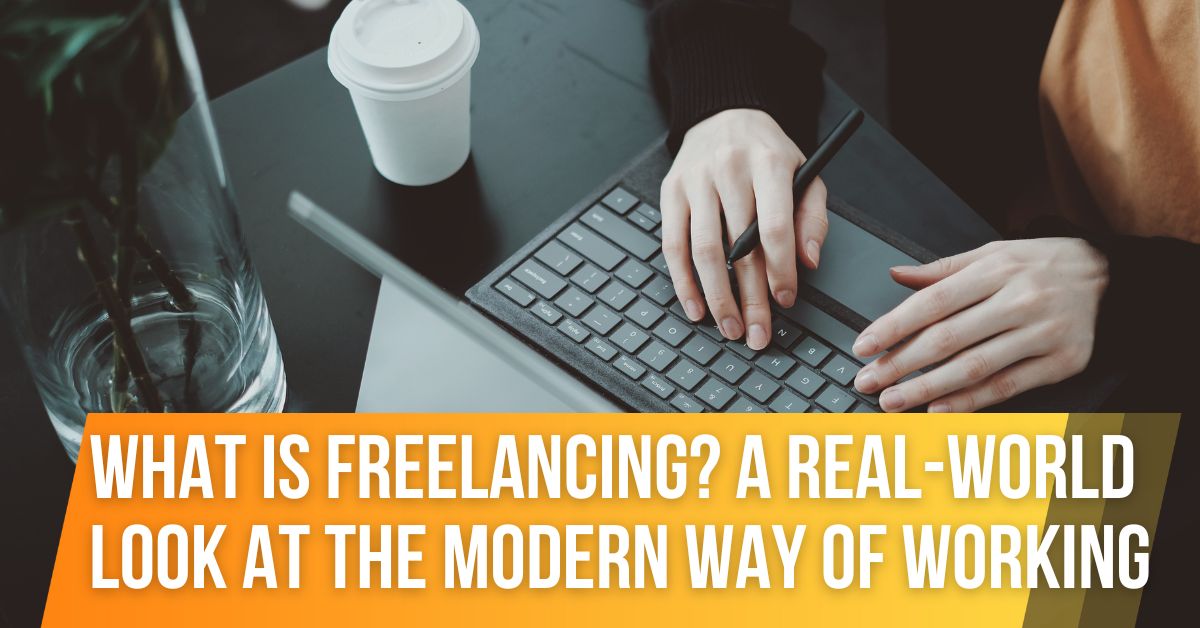
What is Freelancing? Imagine this—you’re sipping coffee in your pajamas, working from your couch, and getting paid for it. No daily commute. No dress code. No hovering boss. That’s freelancing in a nutshell.
Freelancing means being self-employed. You offer your skills to various clients, often for specific projects. You’re not tied down to a single company. Instead, you have the freedom to choose who you work with, what kind of work you do, and when you do it.
And guess what? It’s more common than you think. People worldwide, from graphic designers and writers to virtual assistants and software developers, are leaving the 9-to-5 life. They are creating careers that fit their own terms.
So, How Does Freelancing Actually Work?
Let’s break it down simply. When you freelance, you’re basically a one-person business. You find clients (or they find you), agree on what needs to be done, get the job done, and get paid.
There are plenty of platforms out there that connect freelancers with clients. Websites like Upwork, Fiverr, Freelancer, and Toptal are like online marketplaces. You create a profile, list your services, and start pitching for jobs.
Once you’ve built a bit of a reputation, you’ll be surprised at how often work starts coming to you without even looking.
What Kind of Work Can You Do as a Freelancer?
The list is honestly endless, but here are some of the most popular freelance gigs:
- Writing & Editing: Blogs, websites, copywriting, proofreading
- Graphic Design: Logos, business cards, social media graphics
- Web Development: Websites, mobile apps, coding projects
- Marketing & SEO: Social media management, ad campaigns, content strategy
- Virtual Assistance: Admin support, data entry, email management
- Tutoring & Coaching: Language lessons, fitness coaching, career guidance
Basically, if you have a skill someone else needs, you can probably offer it as a freelancer.
Why So Many People Are Choosing Freelancing
Freedom to Live Life on Your Own Terms
This is the biggest draw for most people. Want to work at 2 AM? Cool. Need to take a day off mid-week? Go for it. Freelancing gives you that freedom most regular jobs can’t. You’re in the driver’s seat.
Work From Anywhere
All you need is a laptop and Wi-Fi. Work from your kitchen, a coffee shop, or halfway around the world. Digital nomads have been living this dream for years, and it’s more doable than ever.
You Control Your Income
There’s no cap on how much you can earn. The more experience you gain, the more you can charge. You can increase your rates, choose high-paying clients, and create multiple income streams over time.
But Hold Up—It’s Not All Smooth Sailing
Income Can Be Up and Down
This is one of the biggest hurdles. Some months you might make more than you ever did at a full-time job, and other months you might make very little. That unpredictability can be tough, especially if you’ve got bills to pay.
Smart freelancers build a financial cushion and try to have multiple clients at once to avoid the feast-or-famine cycle.
You’re Wearing All the Hats
You’re not just doing the work—you’re also the marketer, the bookkeeper, the customer service rep, and sometimes even the tech support. It can be a lot, especially when you’re starting out.
No Paid Time Off or Health Benefits
Sick days? Paid vacations? Health insurance? Those things don’t come automatically in freelancing. You’ve got to plan for them and build them into your pricing. It’s all part of running your own show.
Is Freelancing Right for You?
Honestly, freelancing isn’t for everyone—and that’s okay. It takes a certain kind of mindset to thrive in this space. You need to be:
- Self-motivated – There’s no manager checking in on you.
- Organized – You’ll need to juggle deadlines, invoices, and client communication.
- Resilient – Rejection, dry spells, and difficult clients will happen. You’ve got to push through.
- Willing to learn – Things change fast online. Keeping your skills sharp is key.
If that sounds like you, or you’re at least open to growing into it, freelancing might just be your sweet spot.
Tips to Get Started with Freelancing
- Pick Your Niche Start with what you’re good at. Don’t try to be everything to everyone. Focus is power.
- Build a Simple Portfolio Don’t stress if you don’t have client work yet. Create samples, mock projects, or even volunteer to get something under your belt.
- Set Up Your Online Profiles Join platforms like Upwork or Fiverr. Fill out your profile completely. Add a professional photo. Write a killer bio that shows your personality.
- Start Small, Then Scale Take on smaller jobs at first to build trust and reviews. As you grow, you can raise your prices and go after bigger gigs.
- Network Like Crazy Talk to people. Join Facebook groups. Connect on LinkedIn. You never know who’s looking for what you offer.
Final Thoughts
Freelancing isn’t just a job—it’s a lifestyle. One with real freedom, but also real responsibility. If you’re fed up with clocking in and out, feeling trapped by a strict schedule, or wishing for more control over your life, freelancing could be your ticket to freedom.
Yes, it has its ups and downs. But for a lot of people, it’s 100% worth it. You get to wake up every day and build something that’s truly yours—and that’s a pretty incredible feeling.
Real-World FAQs About Freelancing
1. Can I freelance with no experience?
Absolutely. Everyone starts somewhere. Begin with small jobs, create some sample work, and focus on learning as you go.
2. How much can I earn as a freelancer?
There’s no limit. Some freelancers make a few hundred bucks a month; others make six figures. It all depends on your niche, your rates, and how much time you’re willing to put in.
3. How do I get clients?
Start with platforms like Upwork or Fiverr. Over time, referrals and repeat clients will become your best sources of work.
4. Do freelancers pay taxes?
Yes, you do. Depending on where you live, you’ll likely need to track your income and pay self-employment taxes. A good accountant or bookkeeping app can help.
5. What’s the hardest part of freelancing?
Probably the unpredictability. It takes time to build stability, and it can be stressful at first. But once you find your rhythm, it gets easier—and way more rewarding.
Read More: https://ventstimemag.com/
About the Author