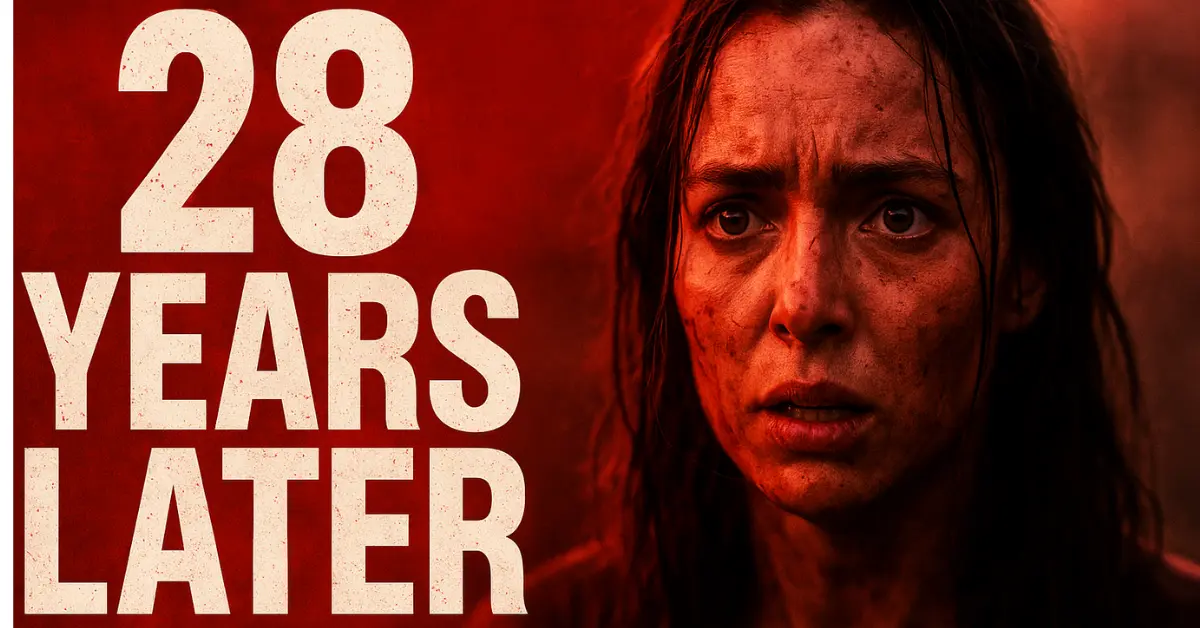
Like, Hollywood is digging up old stuff just to cash in? Well, honestly, when I first heard about 28 Years Later
28 Years Later brings Danny Boyle back to the Rage virus saga with gripping horror, powerful performances, and thought-provoking survival themes.
You know how sometimes sequels just feel… unnecessary? Like, Hollywood is digging up old stuff just to cash in? Well, honestly, when I first heard about 28 Years Later, I kinda thought, “Okay, do we really need another one?” But after watching it—and now that it’s on Netflix—I’ve gotta admit, this movie feels different. It’s not just a lazy retread; it’s actually saying something.
A Quick Throwback about 28 Years Later
If you remember the early 2000s, 28 Days Later basically rewired our idea of zombies (well, technically they weren’t zombies but the “infected,” but you get the point). Fast, furious, terrifying. And then 28 Weeks Later expanded the story—more chaos, bigger world, still scary as hell.
So, after all these years, when Danny Boyle and Alex Garland (yep, the OG dream team) decided to come back, I was like… okay, this might actually be legit.
What’s the Story This Time?
The film jumps decades ahead. Society’s still trying to survive after all that Rage virus madness. Instead of the usual “oh no, outbreak just started” storyline, we’re looking at a community that’s lived with trauma for years.
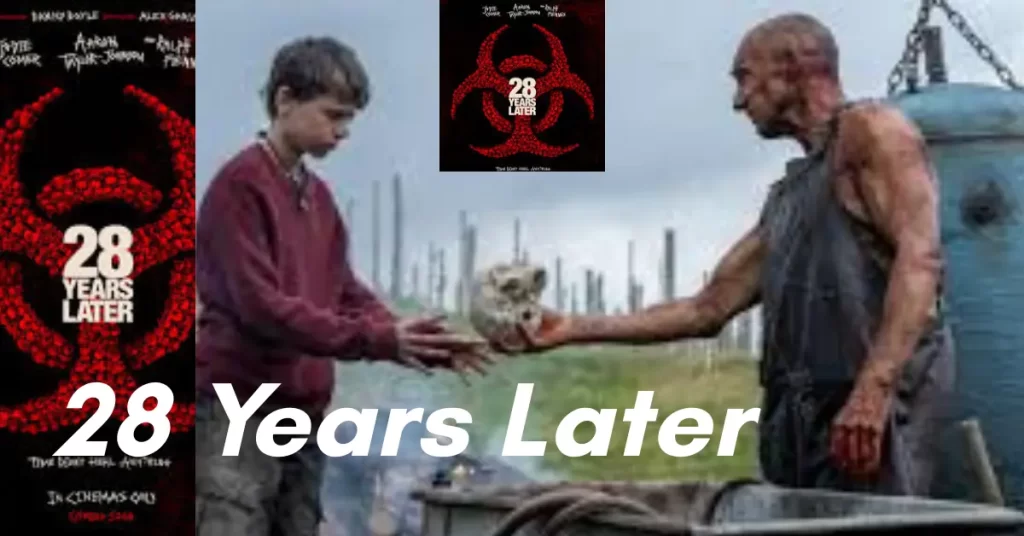
Basically, there’s this island where people have tried to build a safe(ish) life. But of course, something goes wrong—because what’s a horror film without some poor soul deciding to leave safety behind? A father and son end up venturing into infected territory, and that’s when things spiral.
It’s not just about running from infected though. The deeper horror, at least for me, was seeing how people govern in times like this. Walls, rules, weird moral codes… it’s kind of like a twisted reflection of real-world politics.
The Cast Really Carries It
Let’s talk about performances, because honestly, that’s half the reason this film works.
- Jodie Comer – She’s just magnetic on screen. I don’t know how she does it, but even in the most chaotic scenes, she grounds everything.
- Aaron Taylor-Johnson – Dude’s intense. You can feel his desperation and fight.
- Ralph Fiennes – Man, he has that “calm but scary” vibe. The kind of character who makes you nervous even when he’s just sipping tea.
They’re not just running and screaming—they’re pulling you into the emotional side of survival.
More Than Just Jump Scares
Look, don’t get me wrong—there are plenty of “holy crap” moments where you’ll grip your couch cushion like your life depends on it. But the coolest part of 28 Years Later is how it’s layered.
It asks stuff like:
- Who’s scarier—the infected or the people in charge?
- How do you keep hope alive when your whole world’s basically gone?
- And here’s the kicker: after decades of fear, are people still even… human?
Kinda deep for a horror flick, right?
Boyle & Garland Back at It
If you loved the original’s raw, shaky camera work and that gritty, almost documentary vibe, you’ll be happy—it’s back. But it’s not just style for the sake of it. Danny Boyle knows how to make you feel off balance, like you’re right there in the chaos.
Garland’s writing, meanwhile, is sharp but also surprisingly emotional. It’s the combo that made 28 Days Later a classic, and honestly, you can feel that same spark here.
From Theaters to Netflix, 28 Years Later
So, quick timeline: 28 Years Later hit theaters in June 2025, then rolled out for digital rentals. And now, boom—it’s on Netflix. I love this because not everyone got to see it in theaters (life’s expensive, right?), and streaming just makes it so much easier to finally catch up.
What Critics & Fans Are Saying
The buzz has been mostly positive. A lot of people are saying it feels like a true return to form, not just a cash grab. Critics have praised the mix of intense horror and slower, thoughtful moments. Some said the pacing felt uneven, but honestly, I think that’s what makes it interesting. Life doesn’t happen at one speed, and neither should a horror film.
Oh, and There’s More Coming
Yep, this isn’t the end. A sequel called 28 Years Later: The Bone Temple is already set for early 2026. That title alone sounds creepy enough to keep me curious. If the next one builds on this foundation, we might be looking at a legit new era for the franchise.
My Take on 28 Years Later
To be honest, I didn’t expect to like this movie as much as I did. But it hit me in that sweet spot between “scary as hell” and “weirdly thought-provoking.” It’s not just about surviving monsters—it’s about surviving ourselves.
If you’re into horror with brains (pun intended), or you’re just craving something that feels bigger than cheap thrills, 28 Years Later is worth your time.
FAQs about 28 Years Later
Q: Do I need to watch the older movies first?
Not necessarily, but it definitely helps. You’ll catch more of the references and world-building.
Q: Is it really scary, or more dramatic?
Honestly, both. It has its “jump out of your seat” moments, but it also leaves you thinking afterward.
Q: Where can I watch it now?
It’s streaming on Netflix, so grab some snacks and maybe a blanket to hide under.
Q: Will there be more movies?
Yep—The Bone Temple is coming in 2026.
Q: Is it worth the hype?
For me? Yeah. It doesn’t feel like a cheap sequel—it feels like a natural continuation.
Final Thoughts
So here’s the deal: 28 Years Later isn’t just horror for the sake of horror. It’s a mix of scares, smart commentary, and surprisingly strong performances. It’s one of those films that sticks in your head long after it’s over, which is honestly the best kind of horror.
And hey, if nothing else, it’s a reminder that maybe building walls and pretending problems don’t exist… isn’t the best idea. Just saying.
Read Also: Sunny the Eaglet Spreads Her Wings — A Proud Day for Big Bear Eagle Cam Fans
About the Author