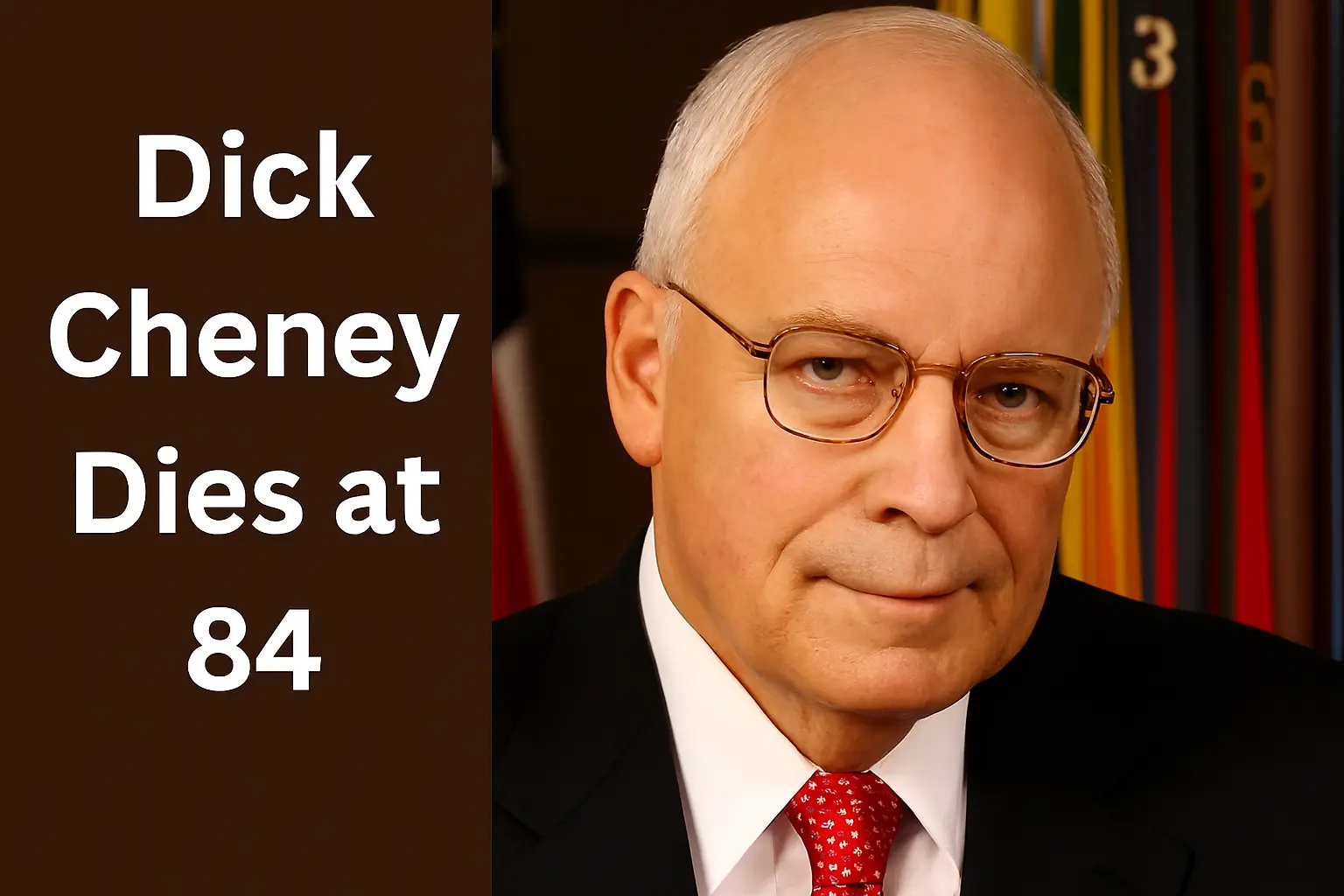
You know how some people walk into a room and instantly change the vibe? That was Dick Cheney in politics. He wasn’t flashy, didn’t crave the spotlight like some politicians do, but somehow—he always ended up calling the shots. When news broke that he passed away at 84, I’ll be honest, it felt like the end of an era. Love him or hate him, you can’t deny the guy left a huge mark on American history.
Biography
| Category | Details |
|---|---|
| Full Name | Richard Bruce Cheney |
| Common Name | Dick Cheney |
| Gender | Male |
| Birthdate | January 30, 1941 |
| Date of Death | November 4, 2025 |
| Age at Death | 84 years |
| Birthplace | Lincoln, Nebraska, United States |
| Nationality | American |
| Profession | Politician, Business Executive, Public Servant |
| Political Affiliation | Republican Party |
| Education | University of Wyoming (B.A., M.A. in Political Science) |
| Spouse | Lynne Cheney |
| Children | Liz Cheney, Mary Cheney |
| Major Positions Held | 46th Vice President of the United States (2001–2009) U.S. Secretary of Defense (1989–1993) White House Chief of Staff (1975–1977) U.S. Representative from Wyoming (1979–1989) |
| Major Income Source | Government service, Corporate salary (Halliburton), Book royalties, Investments |
| Notable Company Role | CEO of Halliburton (1995–2000) |
| Estimated Net Worth | Approximately $100 million (as per public records around 2024–2025) |
| Known For | Vice presidency under George W. Bush, Iraq War advocacy, expanding executive power |
| Personality Traits | Strategic, disciplined, private, and deeply conservative |
| Cause of Death | Complications from pneumonia and cardiac/vascular disease |
The Early Hustle
Cheney’s story actually starts in Nebraska, not in the D.C. bubble. Born in 1941, he wasn’t some rich political heir. He worked his way up. Got his hands dirty in government early on, under Nixon and Ford. Back then, people already noticed—this guy’s quiet, calculated, and always ten steps ahead.
He eventually became President Gerald Ford’s Chief of Staff (and yeah, that’s a big deal), then spent ten years in Congress representing Wyoming. Imagine being that steady, no-drama conservative voice when everyone else was yelling about change. That was Cheney—never loud, but always powerful.
From the Pentagon to Power
Fast forward to 1989. Cheney becomes Secretary of Defense under George H. W. Bush. The Gulf War happens, and boom—he’s suddenly a household name. I wasn’t even into politics at that time, but you couldn’t avoid hearing about how the U.S. military “surgically” kicked Iraq out of Kuwait. He handled that operation like someone who’d been preparing his whole life for it.
But after leaving government, he didn’t fade away. Nope. He became the CEO of Halliburton, a massive oil services company. Some people loved that move—said it showed his business savvy. Others side-eyed it later, thinking it blurred lines between government and profit. Fair or not, it added another layer to the Cheney mystery.
Enter: The Bush-Cheney Years
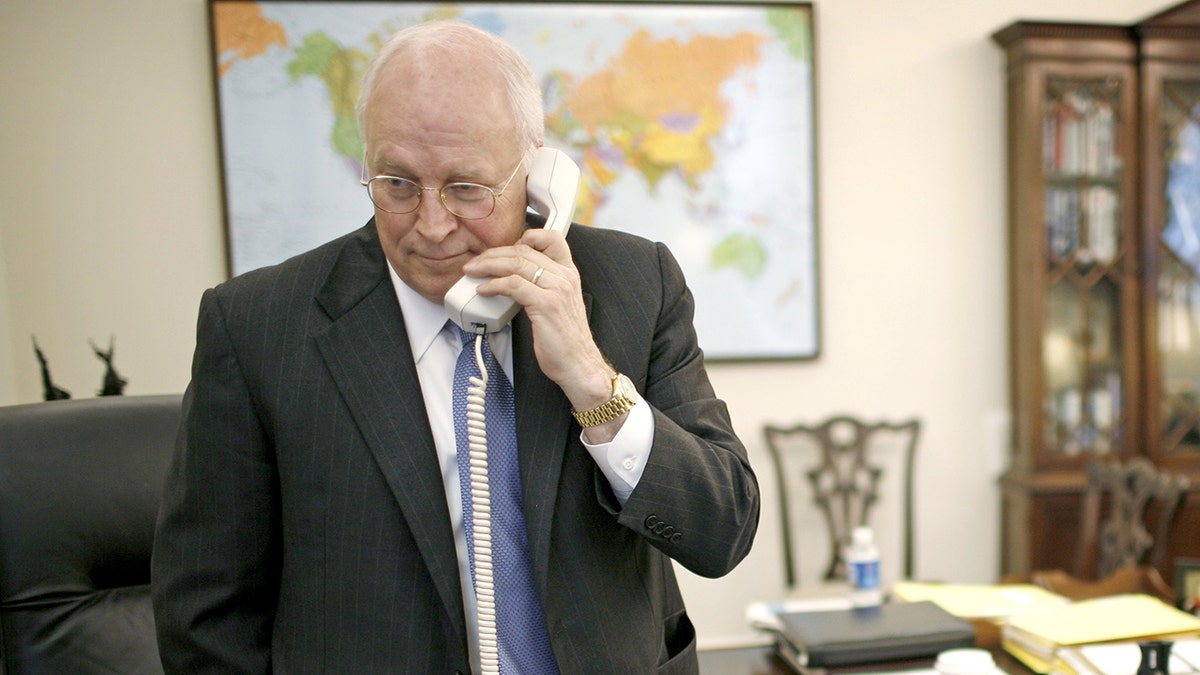
When George W. Bush picked him as his running mate in 2000, people thought it was just to add “experience” to the ticket. Oh man, how wrong they were. Once in office, Cheney didn’t just sit quietly waiting for photo ops. He became the powerhouse inside the administration.
Then came September 11, 2001. Everything changed. Cheney’s instinct was pure action—protect the country at any cost. He pushed for aggressive security measures, intelligence gathering, and ultimately, the war in Iraq. His reasoning? America couldn’t afford to wait for another attack.
Now, here’s where opinions split. Some say he saved lives by being tough. Others believe he crossed lines—warrantless surveillance, torture policies, and that infamous “weapons of mass destruction” claim. Whatever side you’re on, you can’t ignore the fact that Cheney redefined what it meant to be vice president. He wasn’t just the guy waiting for the president to get sick—he was the engine behind major decisions.
The Shadow President
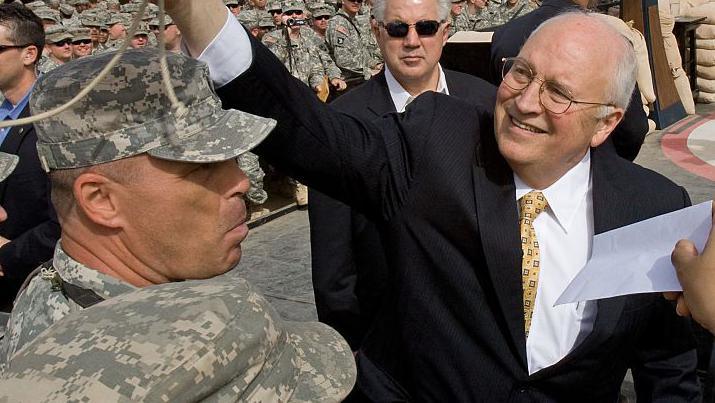
Ever heard people call him “the shadow president”? It wasn’t an insult; it was kinda accurate. Cheney was in every meeting, shaping policies, whispering strategy, and sometimes overruling cabinet members. He believed in strong executive power—like, really strong. If you’ve ever worked under someone who quietly ran the whole operation while others took credit, you get the idea.
But there’s something human about it too. Cheney wasn’t doing it for fame. He genuinely thought he was protecting America. Even his harshest critics admit—his conviction was unshakable.
Behind the Tough Guy Image
Underneath all that political armor, Cheney was dealing with real human stuff. Dude had multiple heart attacks. He got a heart transplant in 2012. Most people would’ve retired and taken up golf, but not him. He kept showing up—writing books, giving speeches, defending his choices. That says something about his grit.
His wife Lynne was his rock, and their daughters, Mary and Liz, grew up under that big political shadow. Liz Cheney, especially, followed in his footsteps and became a congresswoman. Whether you agree with her or not, you can see where she gets her backbone from.
The Later Years and the Trump Rift
Now here’s the twist—Cheney, one of the most conservative figures in U.S. history, ended up clashing with Donald Trump. He straight-up called Trump a threat to democracy. Imagine that—a Republican icon taking on a modern GOP heavyweight. It caused a political earthquake. Some old-school conservatives nodded in agreement. Others said he was out of touch. But again, Cheney stood firm. That’s kinda his whole story in a nutshell: unwavering, no matter what it costs.
How People Remember Him
Since his passing, tributes and critiques are flooding in. Some say he was a patriot who made the hard calls when no one else would. Others can’t forgive him for Iraq or the Patriot Act. I think both can be true. You can be a person of principle and make decisions that history judges harshly. It’s complicated—just like Cheney himself.
To me, Cheney represents that old-school, “do what needs to be done” kind of leader. He wasn’t charming or camera-ready. But he understood power—how to build it, how to use it, and sometimes, how to bend the rules for what he believed was right. Whether that was good or bad, well… we’re still figuring that out.
My Take on His Legacy
If I’m being honest, I think Cheney’s legacy is like a double-edged sword. He made America stronger in some ways and divided it in others. He protected the nation but also pushed boundaries that still make people uneasy. Power has a cost, and Cheney paid it in reputation.
But you have to respect the man’s endurance. From the 1970s all the way to the 2020s, he stayed relevant in one of the toughest games on Earth—Washington politics. That alone deserves a nod.
Conclusion
So yeah, Dick Cheney’s gone, but the debates about him are just heating up again. He was complex, calculated, sometimes cold—but never boring. His name will always pop up when people talk about the Iraq War, executive power, or the modern vice presidency. Whether you see him as a patriot or a cautionary tale, there’s no denying it: Dick Cheney changed the game.
FAQs
Q1: Who exactly was Dick Cheney?
He was the 46th Vice President of the U.S. (2001–2009), serving under George W. Bush. Before that, he was Secretary of Defense, a congressman, and even CEO of Halliburton.
Q2: Why was Cheney so controversial?
Mostly because of his role in pushing for the Iraq War, authorizing tough security measures, and expanding presidential powers. Some call it leadership; others call it overreach.
Q3: Did Cheney and Trump ever get along?
Not really. Cheney and his daughter Liz were openly critical of Trump. They believed he was dangerous for democracy.
Q4: What about his health?
Cheney had several heart attacks over his life and got a heart transplant in 2012. Despite that, he stayed active and sharp well into his 80s.
Q5: How will people remember him?
Probably as one of the most powerful and divisive vice presidents ever. His actions will keep political debates alive for decades.
What do you think — was Cheney a necessary realist or just too extreme for his time? Honestly, I’m still torn.
Read Also: Did Phil Robertson Die? Remembering the Patriarch of Duck Dynasty
About the Author