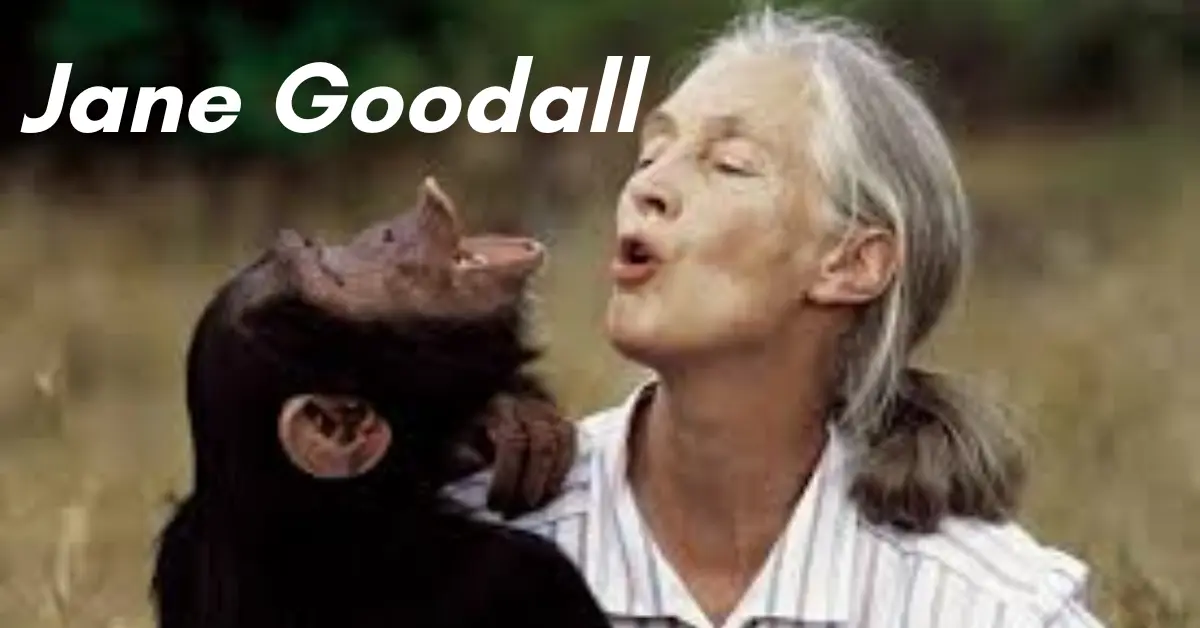
Everyone’s rushing, scrolling, multitasking. But Jane? She slowed down enough to see what nobody else noticed.
You know, whenever I think about Jane Goodall, the first thing that pops into my head is her just sitting quietly in the jungle, watching chimps like she had all the time in the world. And honestly, that patience – who even has that these days? Everyone’s rushing, scrolling, multitasking. But Jane? She slowed down enough to see what nobody else noticed.
So let’s rewind a little. Jane was born in London back in 1934. And from what I’ve read, she wasn’t some straight‑A science geek with a microscope in her pocket. Nope, she was just a kid who loved animals. There’s this story of her literally hiding in a chicken coop for hours, waiting to see how eggs were laid. Can you imagine her mom’s reaction? Like, “Where’s Jane?” Oh, she’s just with the chickens again.
Fast forward – she heads to Africa. Not because she was rich or famous, but because she had this itch to see animals up close. Louis Leakey (yeah, the famous anthropologist) basically gave her a shot, even though she didn’t have a degree yet. That’s wild, right? Like, nowadays you need a master’s, PhD, ten internships, and maybe your soul, but Jane just… showed up with passion and curiosity.
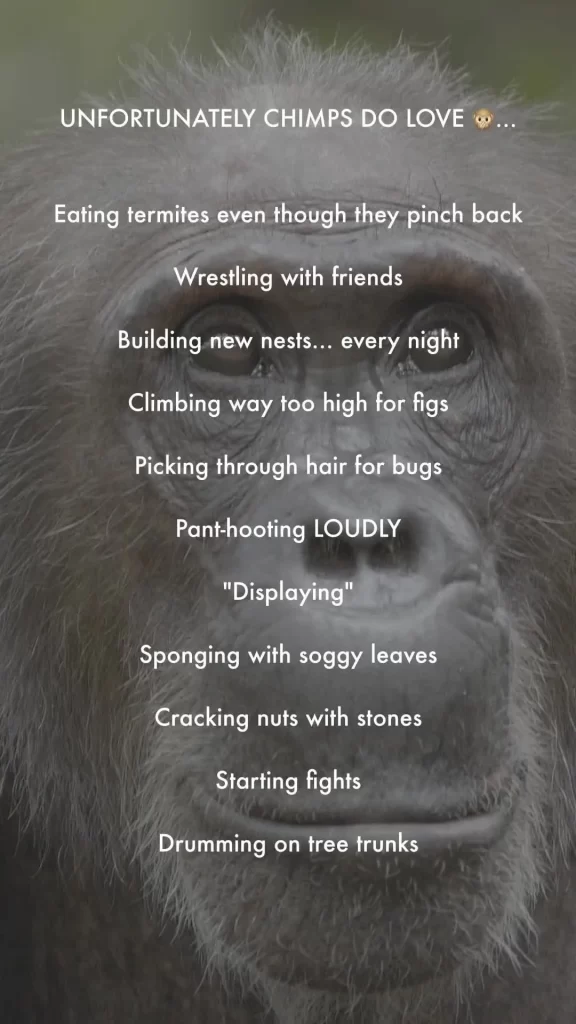
And then came the big discovery: chimps using tools. I mean, that was huge. Before that, people thought only humans did that. Imagine the scientific community clutching their pearls. Suddenly, chimps weren’t just “like us” – they were us, in a way. To be honest, I feel like she must’ve been both thrilled and terrified to present that to the world.
But Jane wasn’t just about the science. She gave the chimps names – David Greybeard, Flo, Flint. Cute, right? Scientists thought she was being “unprofessional.” But honestly, don’t we all give names to the things we care about? My car’s named Daisy, so yeah, I get it.
Now, did Jane Goodall die? Yeah, sadly she passed away in October 2025, at 91. Natural causes. And I know, people googled like crazy: “Did Jane Goodall die?” “How did Jane Goodall die?” “Jane Goodall cause of death.” That’s what we do now – we search. But what struck me more was that she was literally still out there giving talks, spreading hope, right up till the end. That’s dedication on another level.
Jane Goodall Books
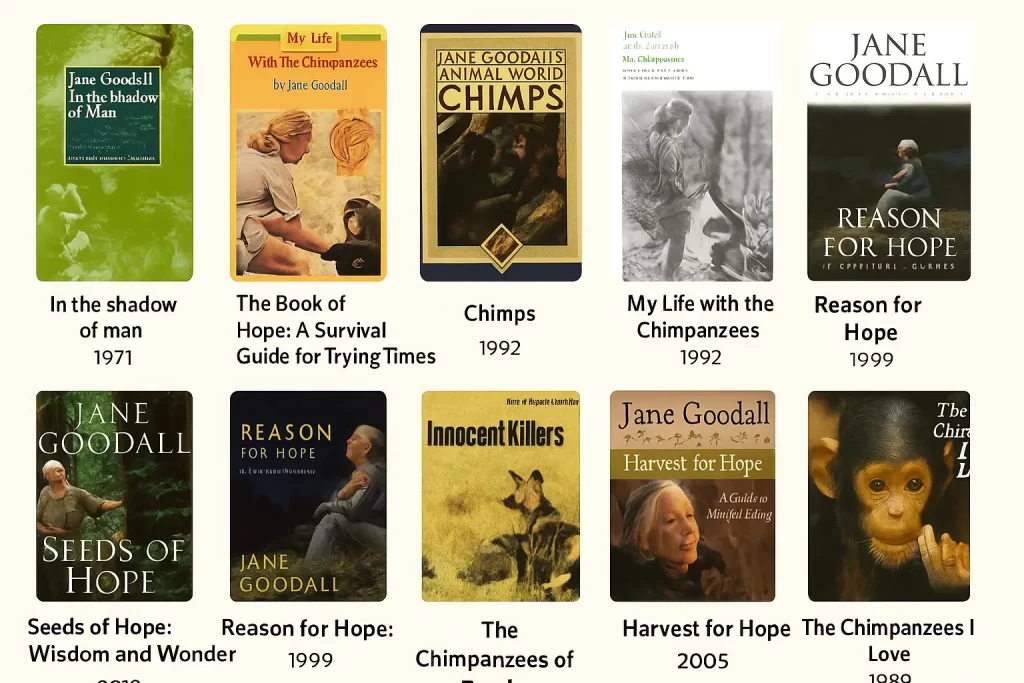
About Her Research and Life with Chimpanzees
“In the Shadow of Man” (1971) –
Her first major book, sharing her early years studying wild chimpanzees at Gombe Stream National Park.
→ It’s considered essential reading for understanding her discoveries.
“Through a Window: My Thirty Years with the Chimpanzees of Gombe” (1990) –
A deeper, more personal follow-up to In the Shadow of Man.
“The Chimpanzees of Gombe: Patterns of Behavior” (1986) –
A detailed scientific account of her decades of research—dense but definitive.
On Nature, Conservation, and Hope
“Reason for Hope: A Spiritual Journey” (1999) –
A moving memoir that combines science, spirituality, and her deep faith in humanity.
“The Book of Hope: A Survival Guide for Trying Times” (2021) –
Co-authored with Douglas Abrams, this book explores where she finds hope despite global crises.
“Seeds of Hope: Wisdom and Wonder from the World of Plants” (2013) –
Focuses on plants and the interconnectedness of all living things.
For Younger Readers
“The Eagle and the Wren” (2000) –
A charming children’s book about humility and teamwork in nature.
“Dr. White” (1999) –
A true story of a small dog who brought comfort to sick children.
“My Life with the Chimpanzees” (1988) –
A simplified autobiography for young readers, telling her story from childhood dreams to real-life adventures.
She left behind so much more than headlines though. There’s the Jane Goodall Institute – if you haven’t heard of it, it’s her baby, working on conservation and education worldwide. And don’t forget Roots & Shoots, her youth program. I actually know a kid who joined one of those projects and, no joke, it changed how he thought about animals and the planet. That’s impact.
Let’s talk personal life for a sec. She married Hugo van Lawick, this amazing wildlife photographer. They had a son – Hugo Eric Louis (seriously, long name for a kid). Later, she married Derek Bryceson. Life wasn’t always easy, but she rolled with it. That’s what I admire: she kept moving forward, even after personal loss.
Oh, and her quotes – absolute gems. My favorite is: “The greatest danger to our future is apathy.” Like, ouch. She said it decades ago, but it feels even more true now with climate change, wars, and people arguing on Twitter about everything. Another one I love: “What you do makes a difference, and you have to decide what kind of difference you want to make.” That’s fridge‑magnet wisdom right there.
Money? People ask about her net worth – I saw somewhere it was around $5 million. But honestly, Jane Goodall net worth doesn’t even scratch the surface of her real value. Her true “wealth” is the forests she helped protect, the species that survived because of her work, and the people she inspired. I mean, can you really put a price on that?
And yeah, folks always bring up David Attenborough in the same breath. He narrated nature; she lived it. Together, they kind of defined how we see the natural world today. Different roles, but same mission.
So here’s the thing. Jane Goodall’s story isn’t just history. It’s a challenge. She’s basically saying: pay attention, care, do something. Whether that’s picking up trash in your neighborhood or fighting for policy change – it all counts. And if Jane could sit for hours watching chimps without Wi‑Fi or coffee, maybe we can manage to care a little more too.
What do you think? Ever felt inspired by someone like that? Or maybe you’ve had your own “Jane moment” – just sitting still long enough to notice something amazing? If not, maybe give it a try. Who knows, you might discover your own David Greybeard out there.
Read Also: Sunny the Eaglet Spreads Her Wings — A Proud Day for Big Bear Eagle Cam Fans